26 มิ.ย. 2569
Choosing the Right Wall Charger
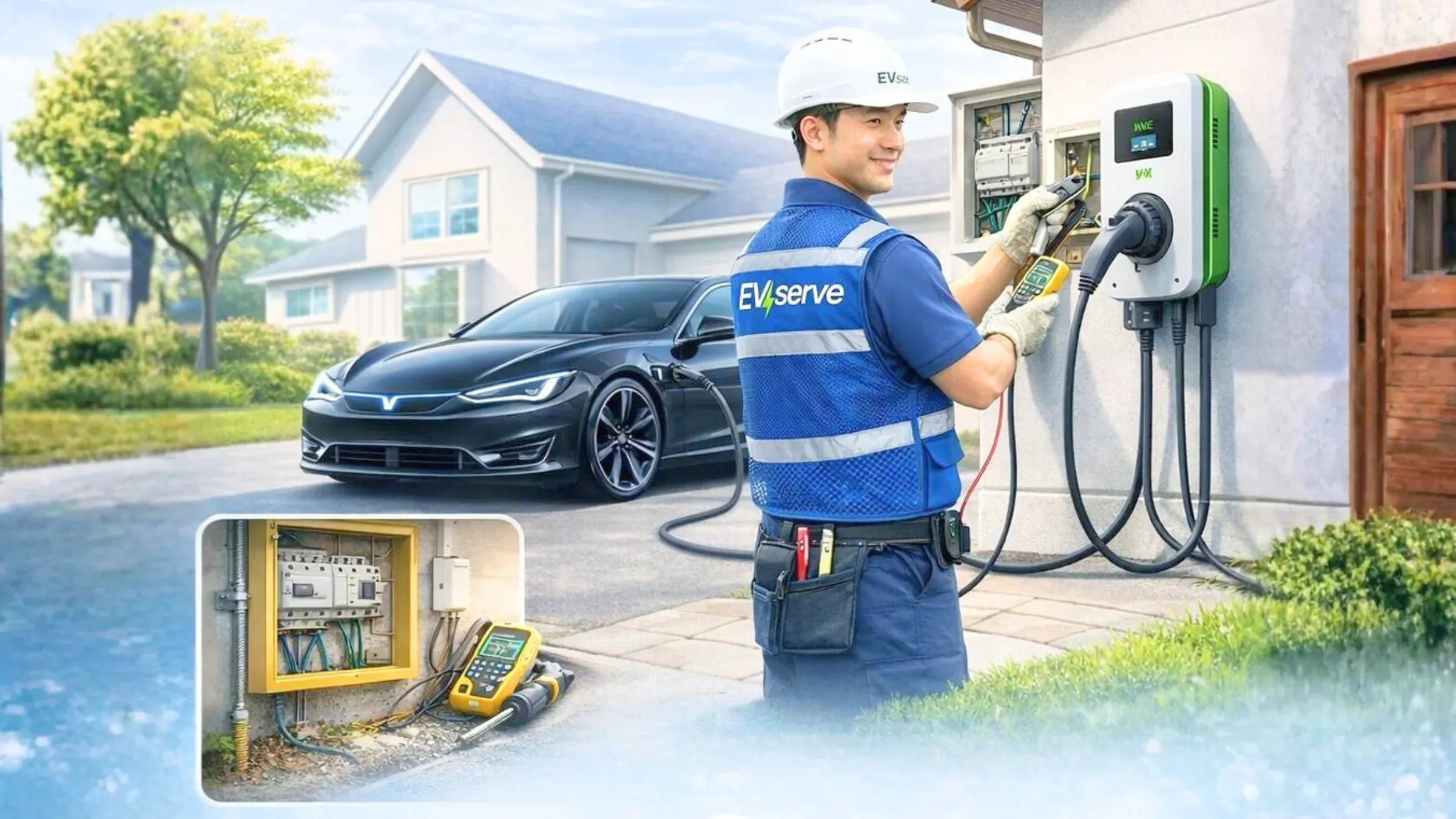
How to Choose the Right Wall Charger for Your EV and Home
Every EV model and every home has different charging needs — from power output (7 kW, 11 kW, 22 kW) and electrical phase (single-phase or three-phase) to available installation space.
This guide will help you choose the most suitable Wall Charger, ensuring long-term value, safety, and efficiency.
Why Choosing the Right Charger Matters
- Charging that is too slow for daily use
- Electrical systems unable to handle the load
- Frequent breaker trips
- Shortened equipment lifespan
- Unnecessary electricity costs
Making the right choice from the beginning saves both time and money.
Types of EV Chargers You Should Know
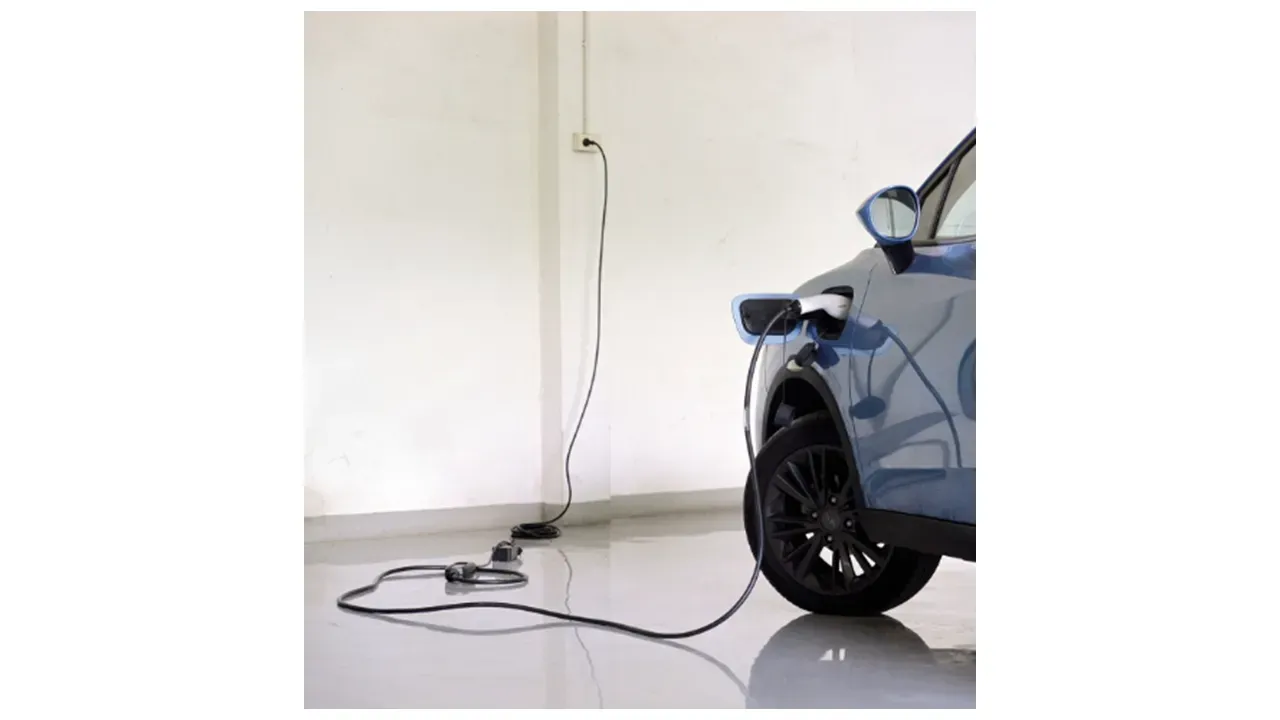
Portable Charger
- Best for temporary use or travel
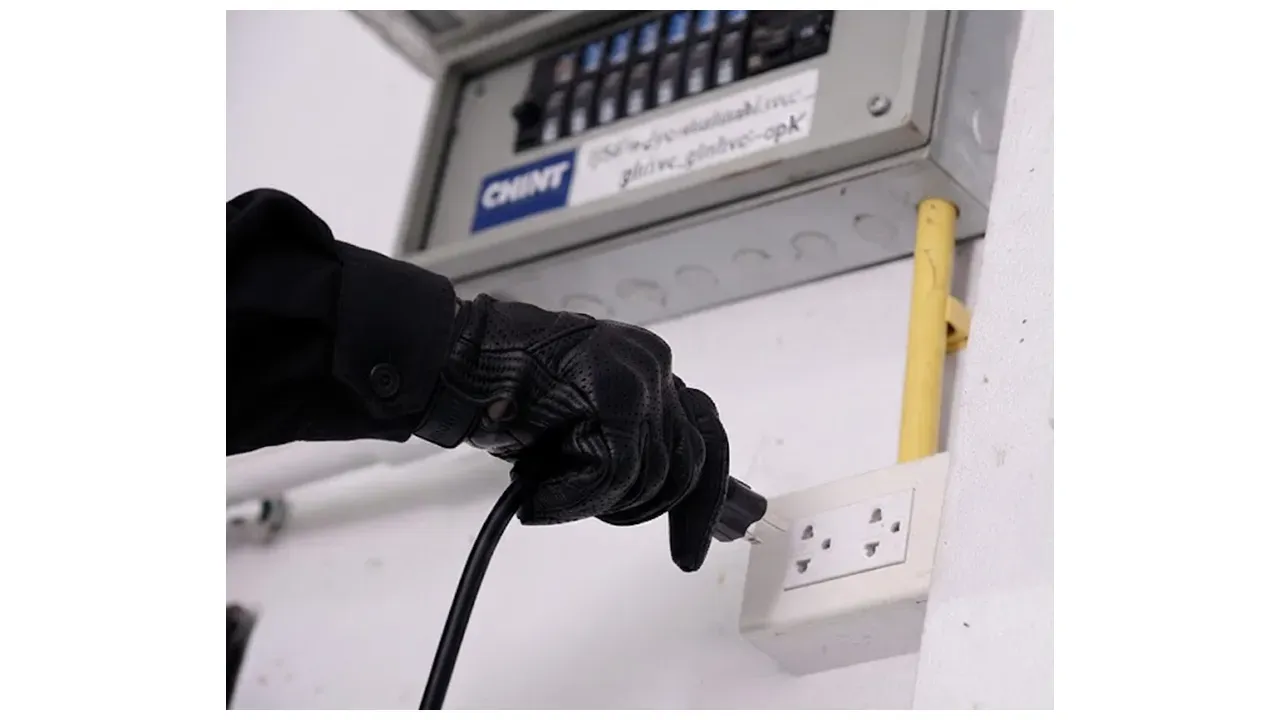
- Plugs into standard household outlets
- Low power output (2–3 kW)
- Charging time: 10–20 hours
Not recommended for daily long-term charging.
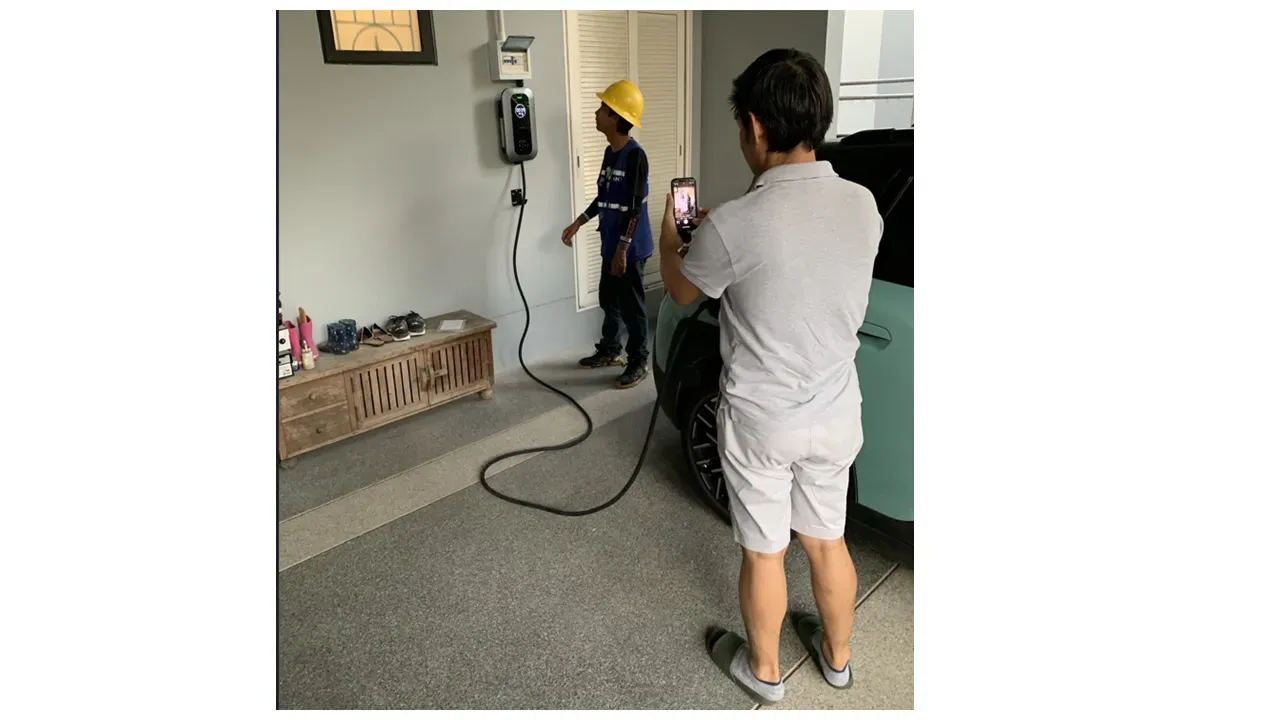
Wall Charger
- Ideal for home and office use
- Power range: 7.4–22 kW
- 3–5 times faster than portable chargers
- Higher safety standards
The best long-term solution for most EV owners.
DC Fast Charger
- Designed for commercial charging stations
- Power range: 40–180+ kW
- High installation and infrastructure cost
Not suitable for residential use.
Matching Charger Power to Your Vehicle
| Vehicle Size | Battery Capacity | Recommended Charger | Average Charging Time |
|---|---|---|---|
| Small EV | 40–50 kWh | 7.4 kW | 6–8 hours |
| Mid-size EV | 50–65 kWh | 11 kW | 4–6 hours |
| Large EV | 70+ kWh | 22 kW | 3–4 hours |
Note: Some EV models support only 7.4 kW or 11 kW charging. Always verify your vehicle specifications before purchasing.
Check Your Home Electrical System First
- Single-phase power: Supports up to 7.4 kW — ideal for most homes
- Three-phase power: Supports 11–22 kW — suitable for larger homes or home offices
Installing a charger beyond your electrical capacity may result in unnecessary upgrade costs.
Features That Deliver Real Value
| Feature | Practical Value for Home Use |
|---|---|
| RFID Access | Moderate |
| Mobile App Control | High |
| Charging Schedule | Very High |
| Load Balancing | Very High |
| OCPP Connectivity | Low (mainly for commercial use) |
For most households, a smart charger with app connectivity is more than sufficient.
How to Get the Best Long-Term Value
Evaluate Total Installed Cost
- Electrical wiring
- Breakers and panel upgrades
- Mounting and drilling work
- Warranty and service
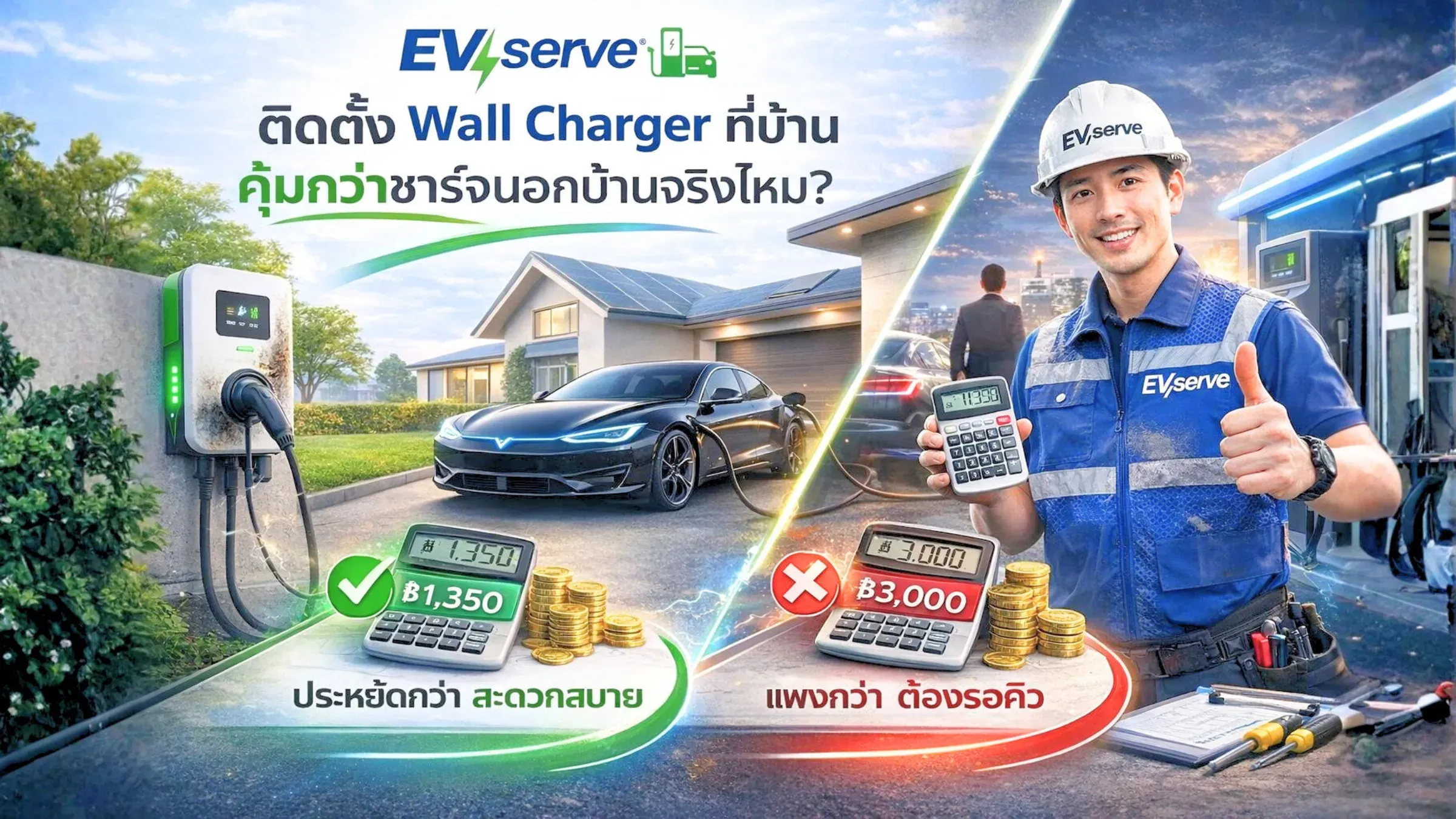
True cost = Charger price + Installation cost.
Select Brands with Local Support
- Spare parts availability
- Dedicated technical support
- Clear warranty coverage
Choose Complete Service Packages
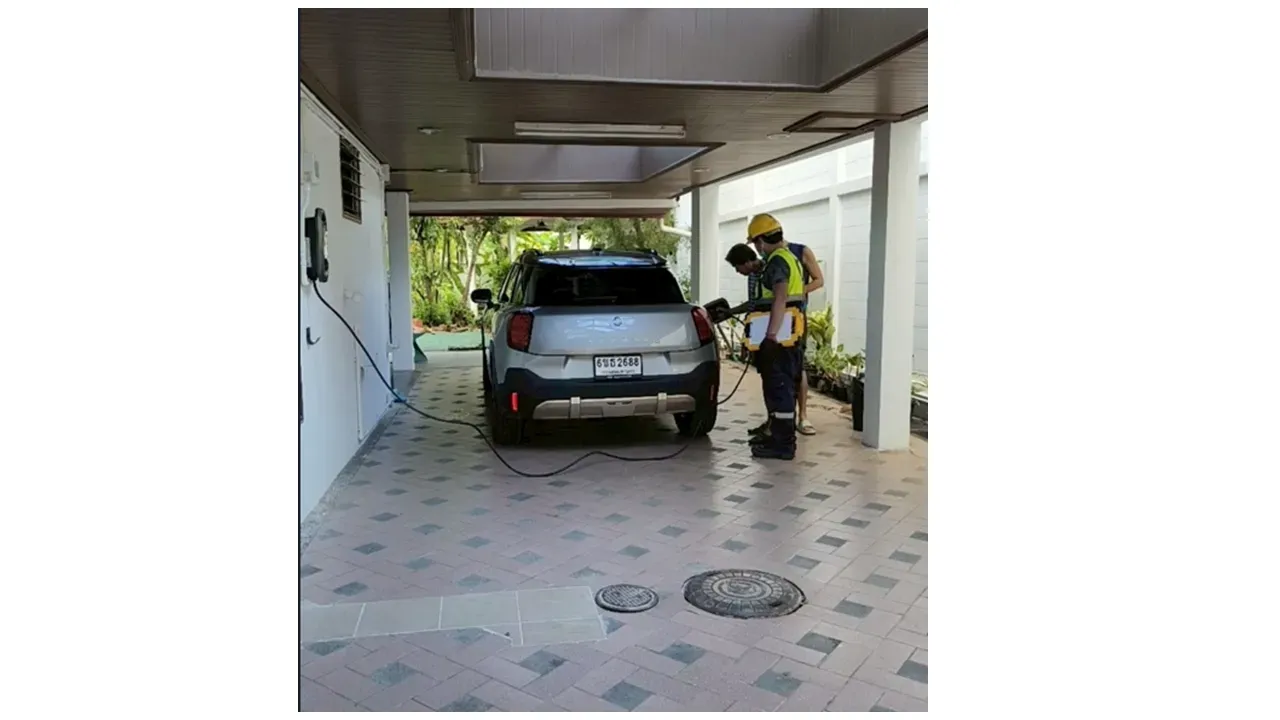
- Site inspection
- System design
- Professional installation
- Testing and commissioning
- After-sales support
Common Mistakes to Avoid
- Buying a charger more powerful than your vehicle supports
- Skipping electrical system checks
- Choosing non-certified low-cost equipment
- No after-sales service
- Using household outlets instead of a proper Wall Charger
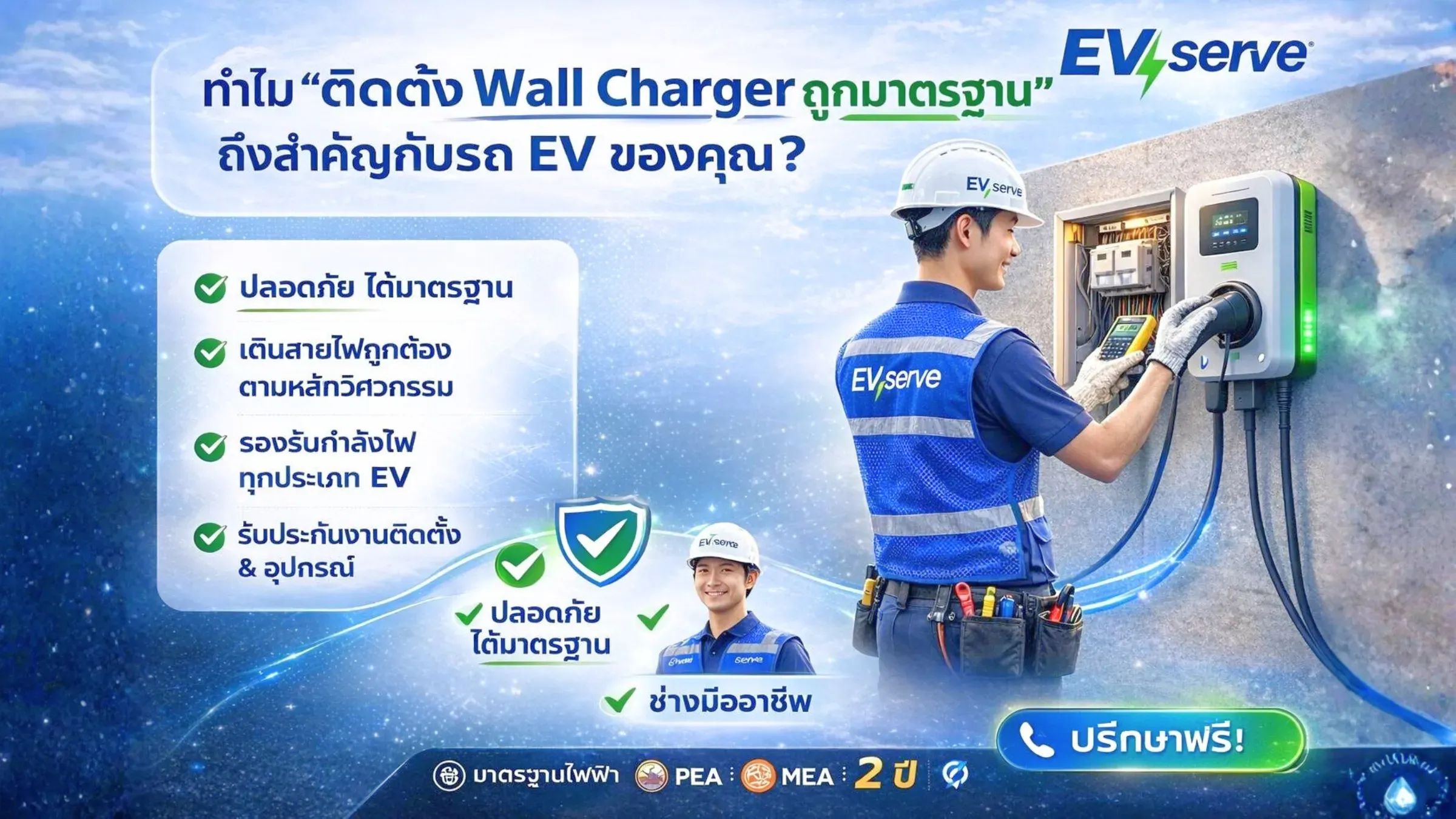
Why Customers Choose EV-SERVE
- Vehicle and electrical system analysis before recommendations
- Certified IEC and TIS standard equipment
- Transparent package pricing
- Installation warranty
- Support for all EV brands
Summary
The best EV charger is not the most expensive one — it is the one that fits your vehicle, your electrical system, and your lifestyle.
Professional guidance ensures long-term safety, efficiency, and real value for your investment.