26 มิ.ย. 2569
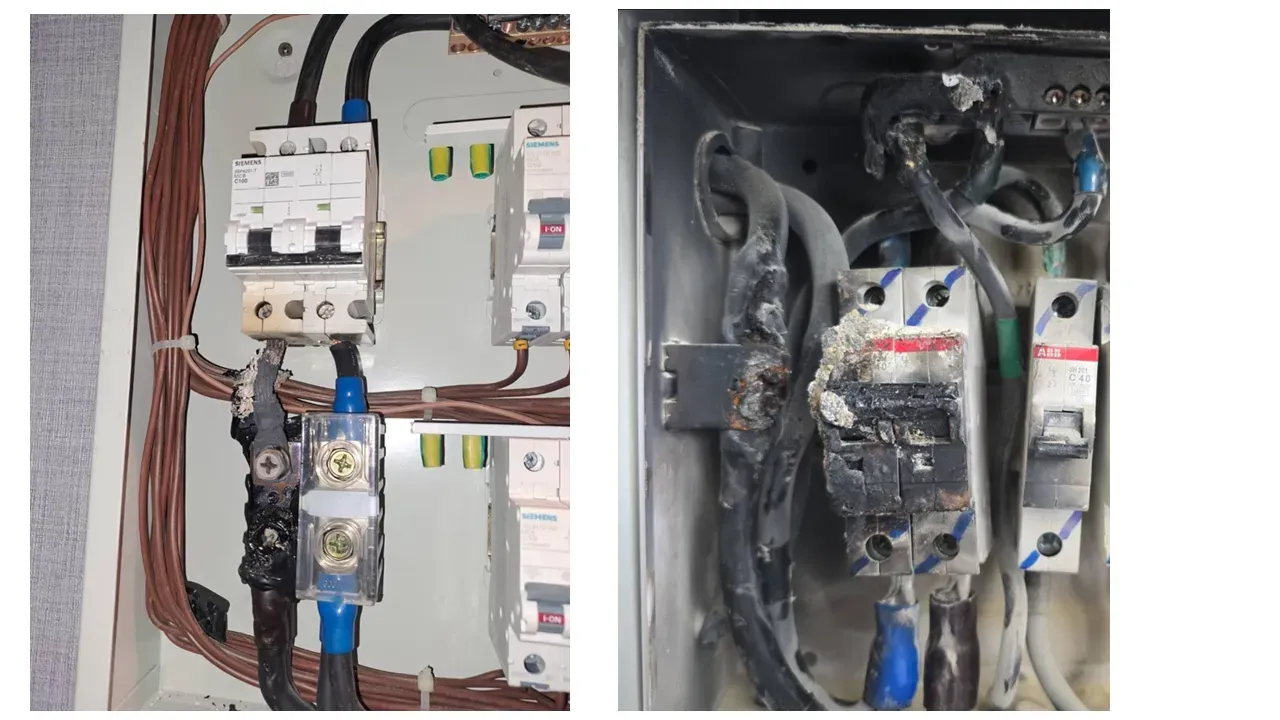
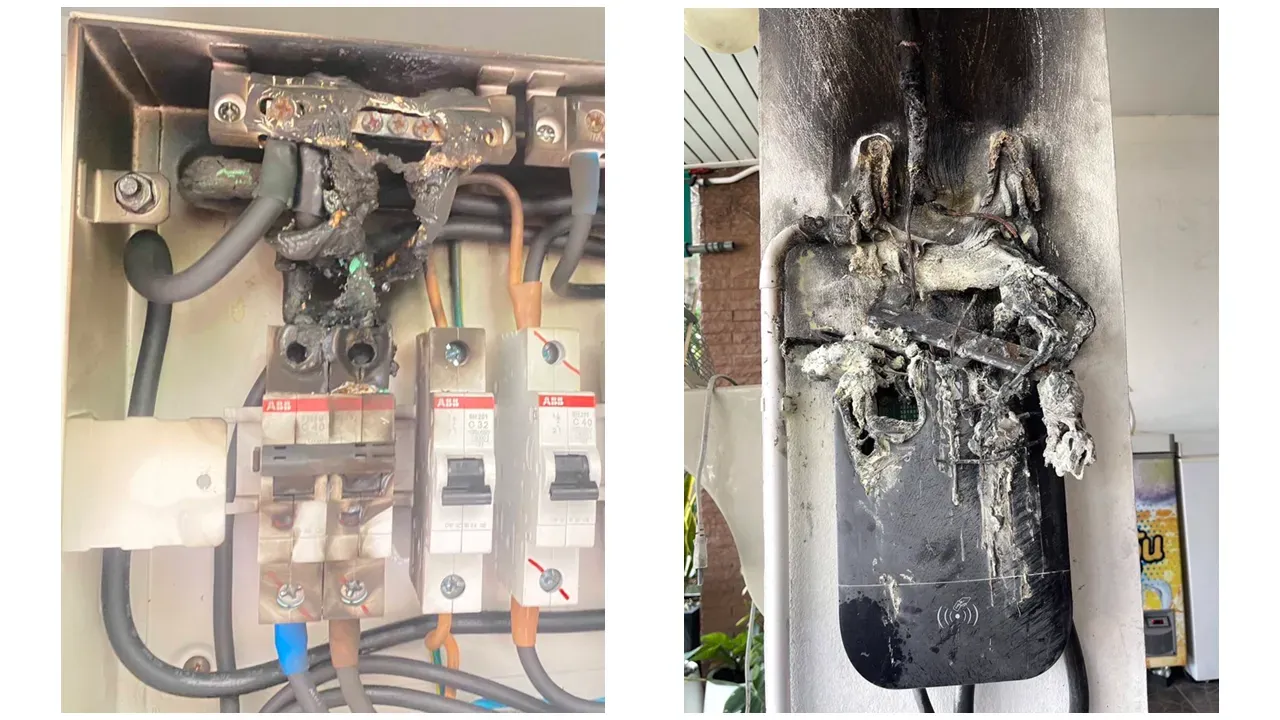
Why Standard Installation Matters
The Professional Guide to Safe Electrical System & Wall Charger Installation
As electric vehicles (EVs) continue to surge in popularity, installing a Wall Charger at home or in a building has become the cornerstone of convenient and safe EV ownership.
However, improper installation can lead to serious problems such as fires, electrical leakage, or equipment damage. This guide explains the correct principles of electrical system and Wall Charger installation in accordance with engineering standards to ensure maximum safety.
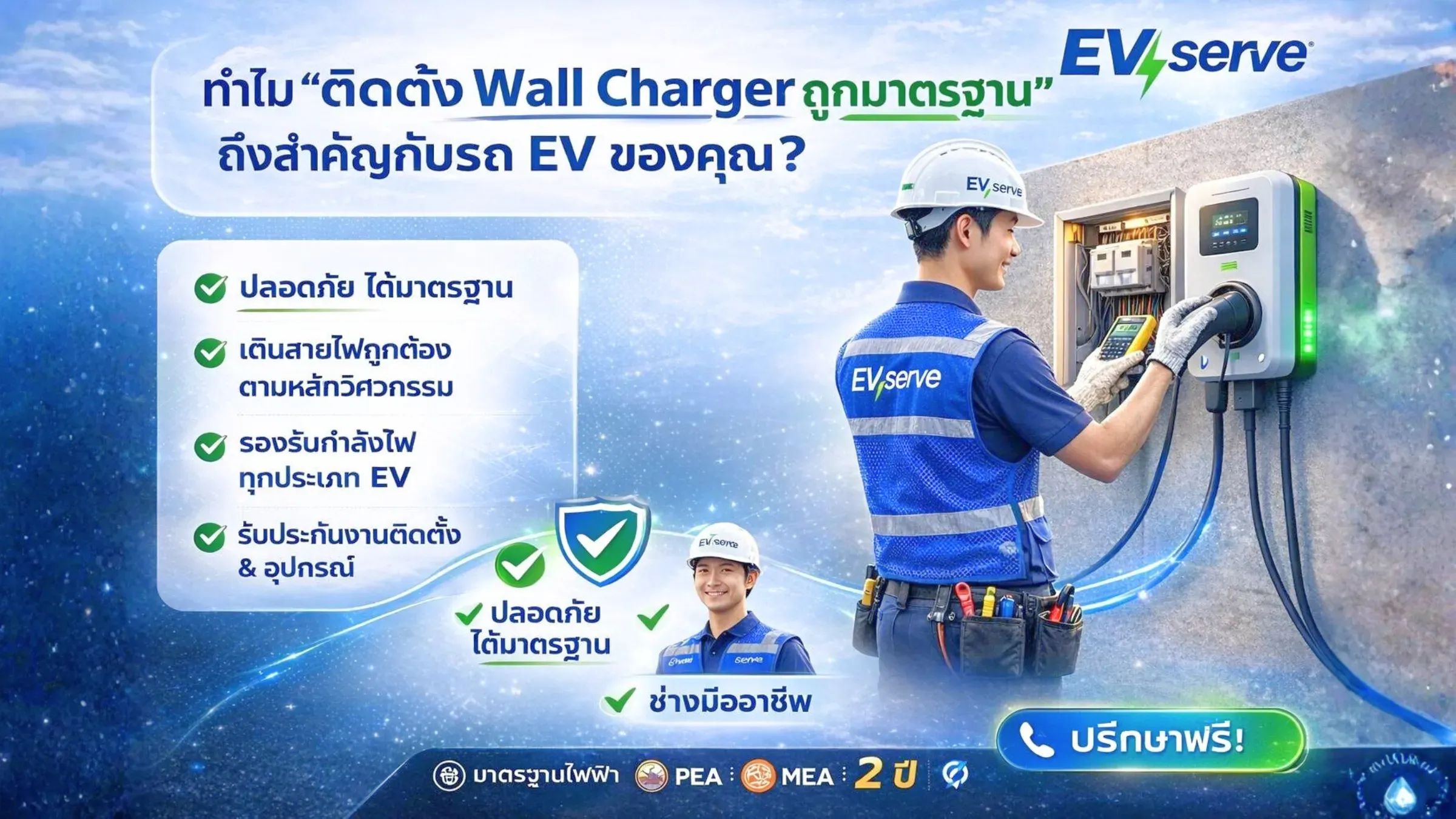
Why Wall Charger Installation Must Meet Standards
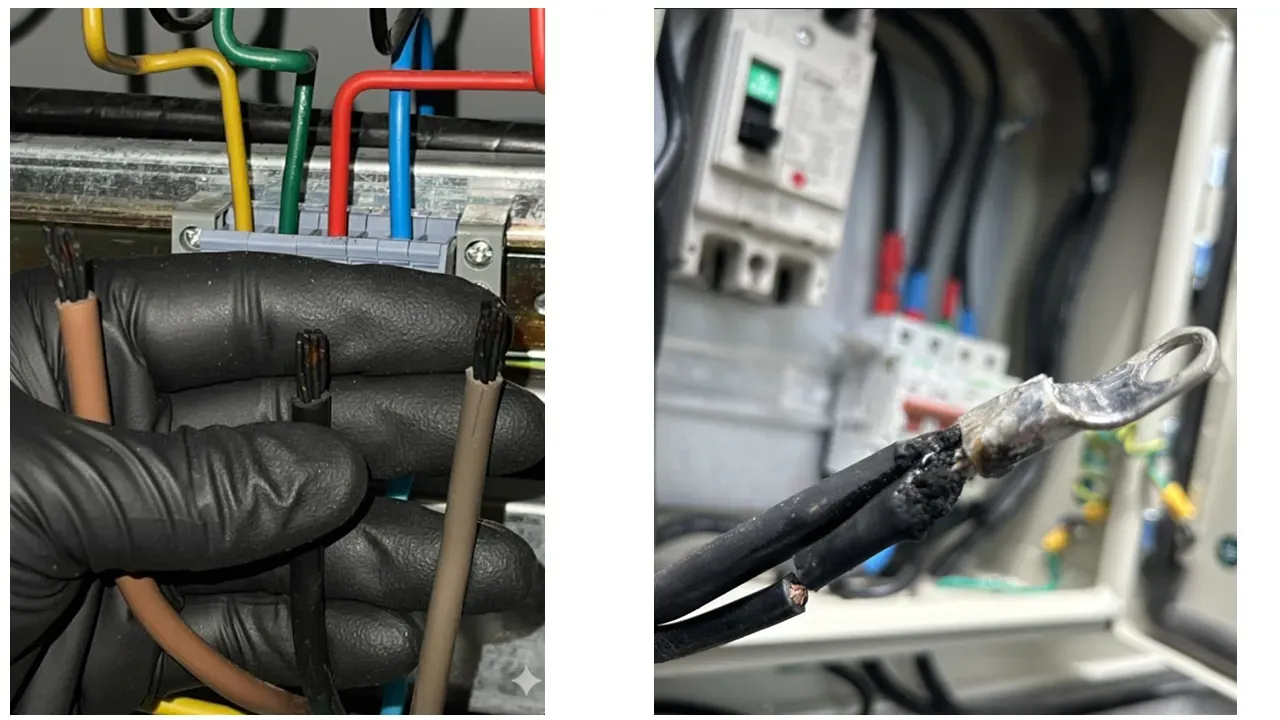
- Wires overheating and melting under high electrical load
- Breakers tripping frequently — or failing to trip during electrical faults
- Risk of electric shock to users
- Potential house fires
This is why installation by trained professionals using certified equipment is absolutely essential.
Preparing Your Electrical System Before Wall Charger Installation
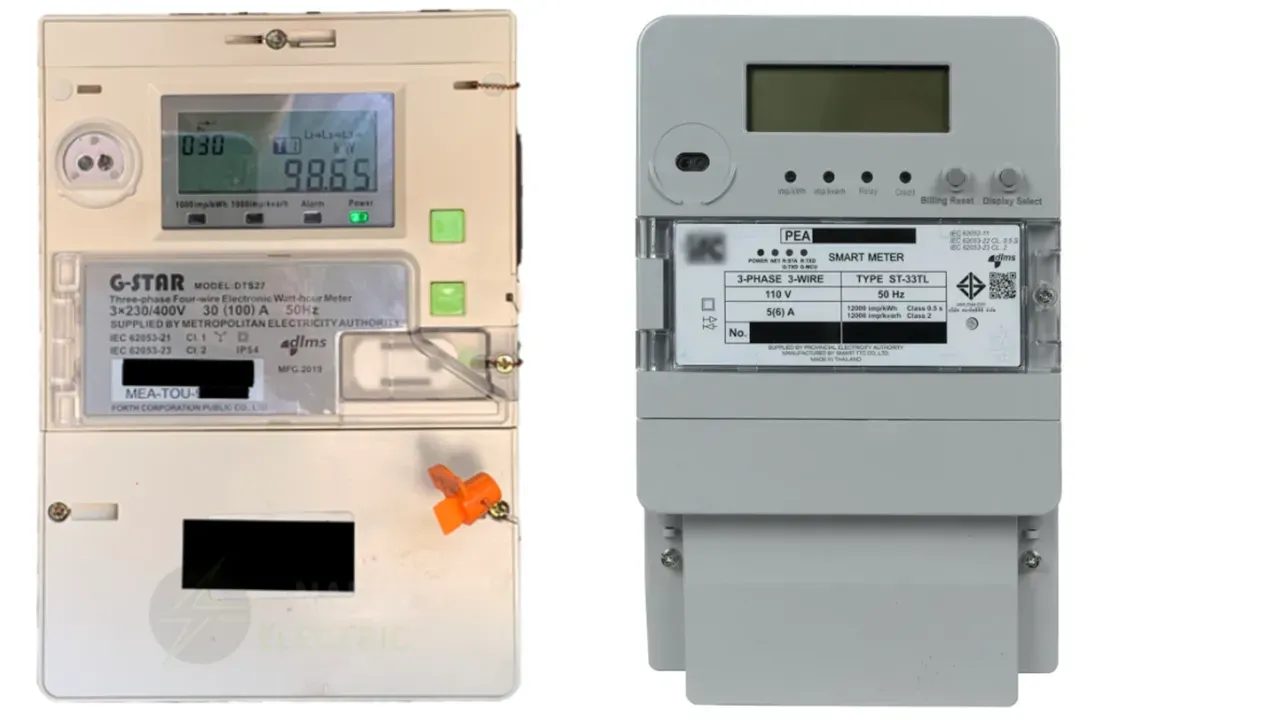
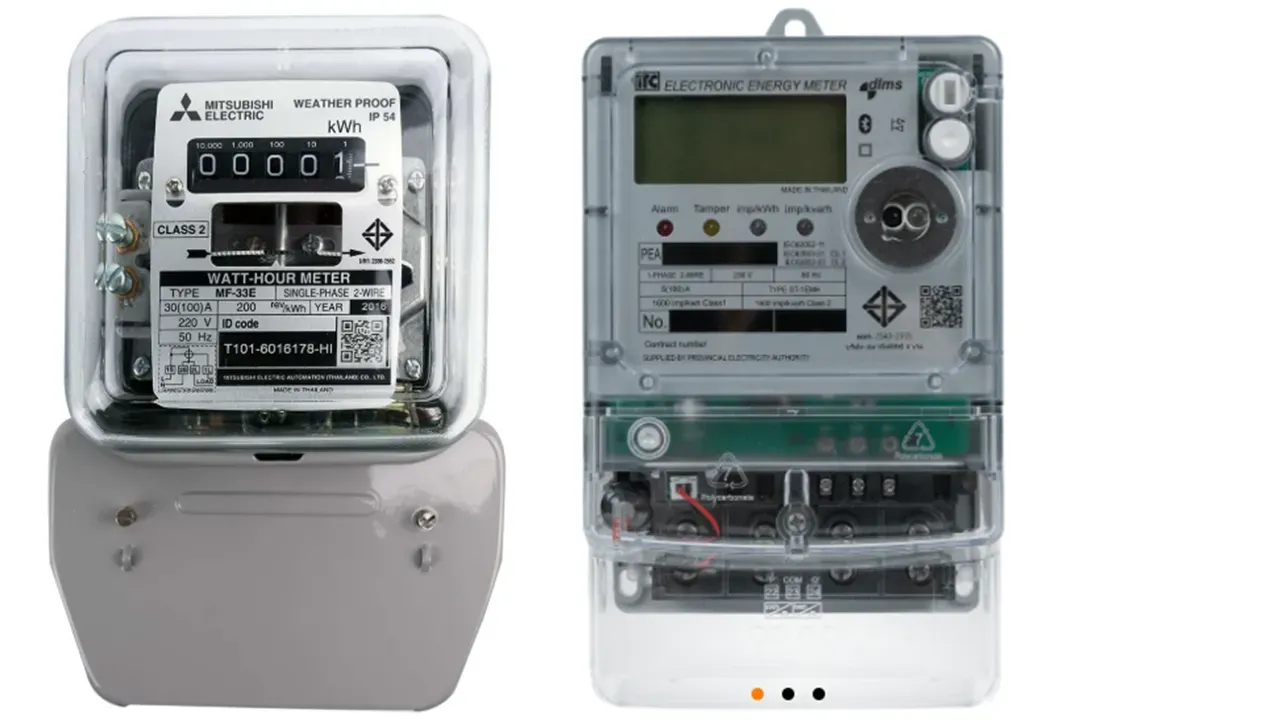
Recommended Electricity Meter Capacity
| Charging Type | Power Output | Recommended Meter |
|---|---|---|
| AC Single Phase | 7.4 kW | 30(100)A |
| AC Three Phase | 11–22 kW | 15(45)A or higher |
If your meter capacity is insufficient, contact your local electricity authority to upgrade it before installation.
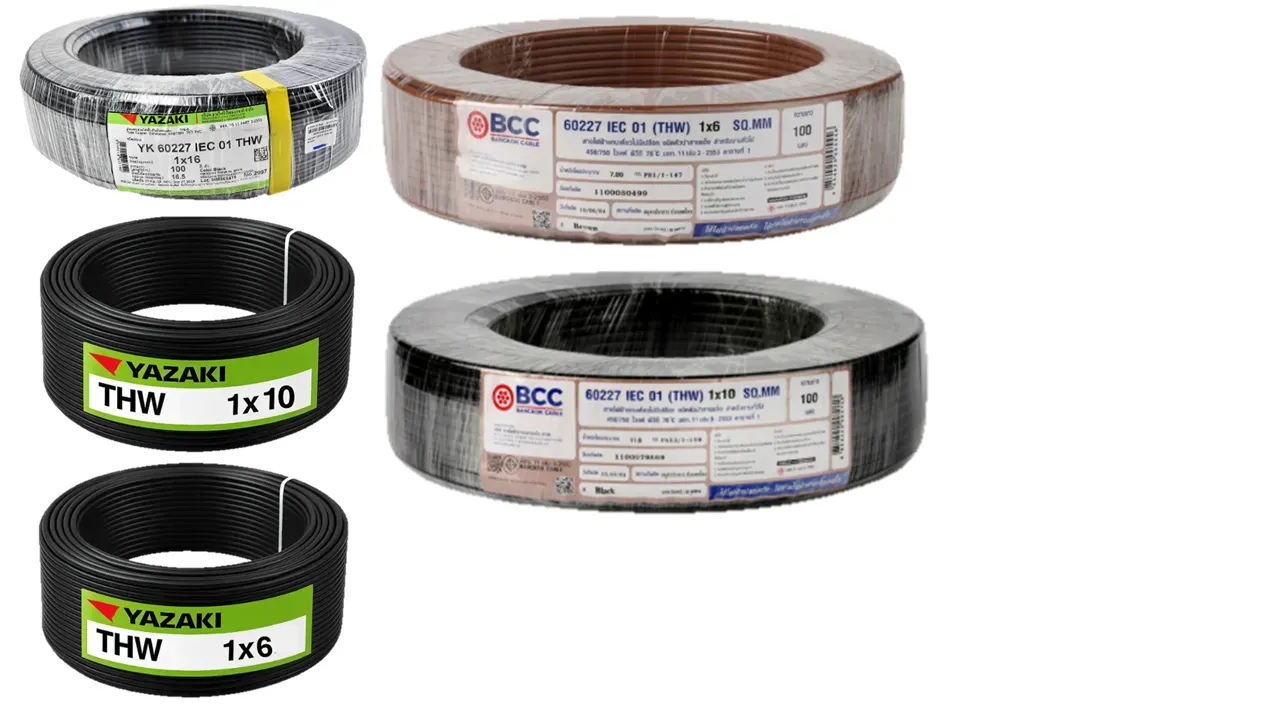
Recommended Cable Sizes
| Charging Power | Recommended Cable Size |
|---|---|
| 7.4 kW | 10 sq.mm. |
| 11 kW | 6–10 sq.mm. |
| 22 kW | 10 sq.mm. |
Always use TIS-certified cables and install a dedicated circuit exclusively for EV charging.
Essential Protective Devices
- MCB or MCCB sized to the electrical load
- RCD Type A with 6mA DC Protection
- Surge Protection Device (SPD)
- Proper grounding and earthing system
Correct Wall Charger Installation Principles
Selecting the Right Location
- Covered or protected from rain
- Not exposed to intense direct sunlight
- Well-ventilated area
- Close to the parking space
Recommended mounting height: 1.2–1.5 meters from the floor.
Structural & Mounting Standards
- Wall must be solid and free of cracks
- Use steel anchors and stainless steel screws
- Install a mounting post if no load-bearing wall is available
System Configuration & Testing
- Set charging current appropriate to meter capacity
- Test RCD and grounding system
- Verify voltage levels
- Conduct real charging and current monitoring tests
Wall Charger Maintenance
- Inspect the system at least once per year
- Clean the charging connector regularly
- Avoid extension cords and power strips
- Contact a technician immediately if abnormalities appear
Common Installation Mistakes to Avoid
- Sharing wiring with household electrical circuits
- No RCD installed
- Using undersized cables
- Using aluminum wiring inside buildings
- Failing to crimp cable terminals properly
- No grounding or earthing system
- Hiring uncertified technicians
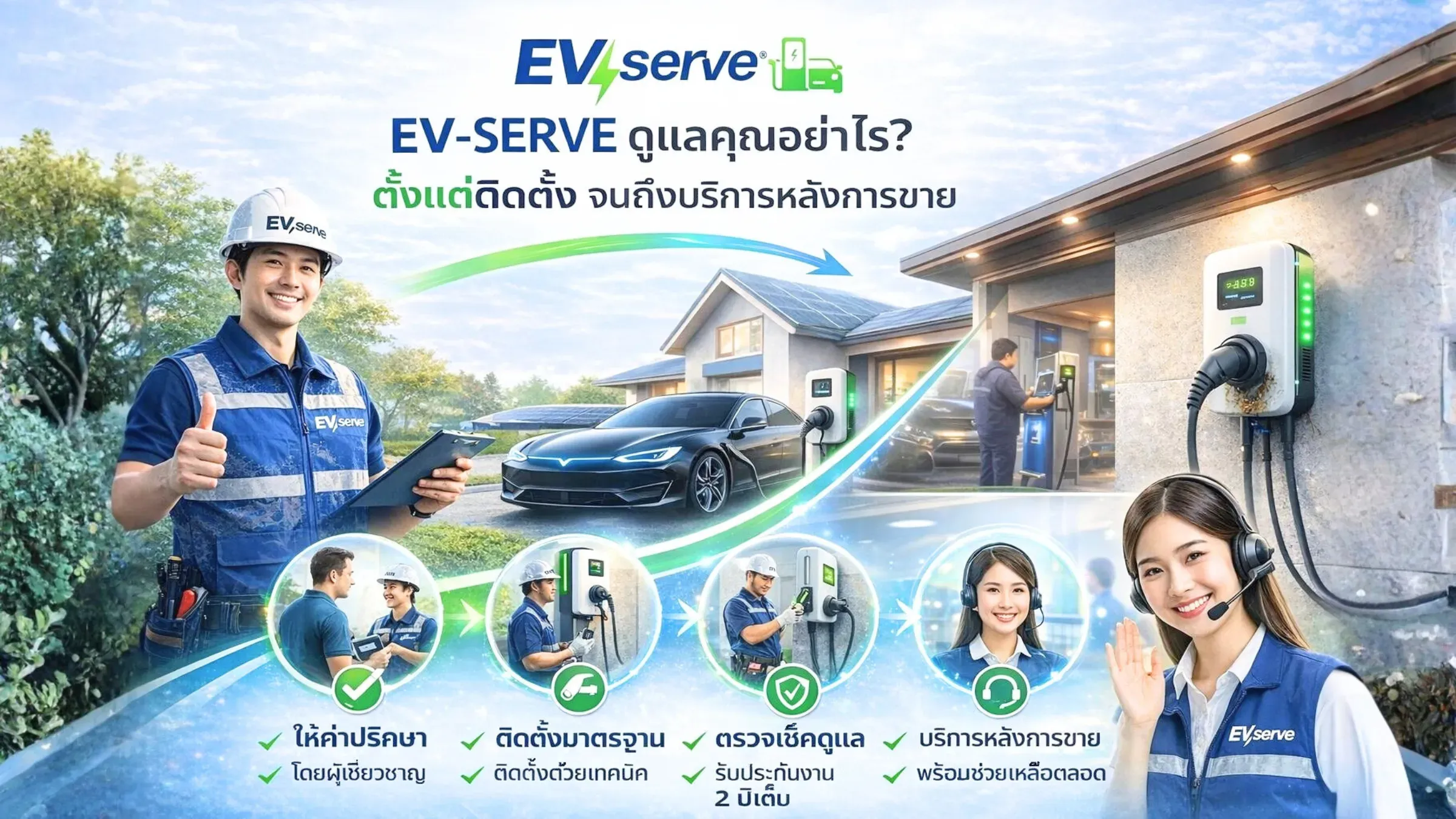
Why Choose EV-SERVE
- Certified engineers and professional technicians
- Genuine equipment with TIS and IEC certification
- Installation warranty
- Traceable inspection and safety records
- Compatible with all EV brands
Summary
Safe Wall Charger installation is not just about functionality — it is about long-term safety, reliability, and protecting your home and vehicle.
Choosing qualified professionals ensures peace of mind and optimal charging performance for years to come.